 Just over 3 years ago, I read A Raisin In the Sun for the first time. My almost eighth grade summer reading brain could read and comprehend the text just fine, but almost all of the symbolism and embedded meanings went completely over my head!
When trying to remember anything about the book, I remembered that the central conflict was based on a true story from the author, Lorainne Hansberry's life. I began looking into it, and here’s the story of what happened:
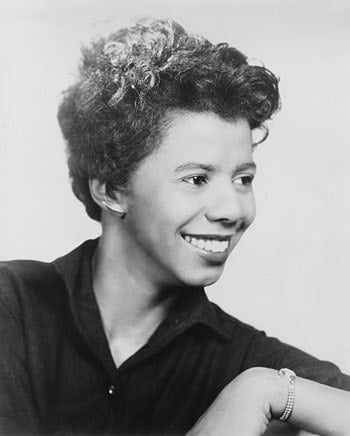 As we all know, A Raisin In the Sun included a black family facing discrimination after moving into an all white neighborhood. In Hansberry’s reality, she was 8 years old (a little younger than Travis in the book), when her father, Carl Hansberry, bought a house in the primarily white neighborhood of Woodlawn, Chicago. At that time, there was a large housing covenant that had the goal to restrict African Americans from buying, renting, or leasing houses within the community. Carl Hansberry wanted to challenge that. Lorraine Hansberry used the character, Marl Lindner, to represent this covenant, However, the situation wasn’t exactly the same as in A Raisin In the Sun; Carl Hansberry had a nice house and made a decent living, where Lena Younger bought the house in the white neighborhood because it was the best house that she could afford. One of Mr. Hansberry’s main reasons for moving into North Woodlawn was to make a political point. Shortly after moving in, the Hansberry family was evicted (based on the covenant). After that, Mr. Hansberry waged a three year long legal battle for the right to live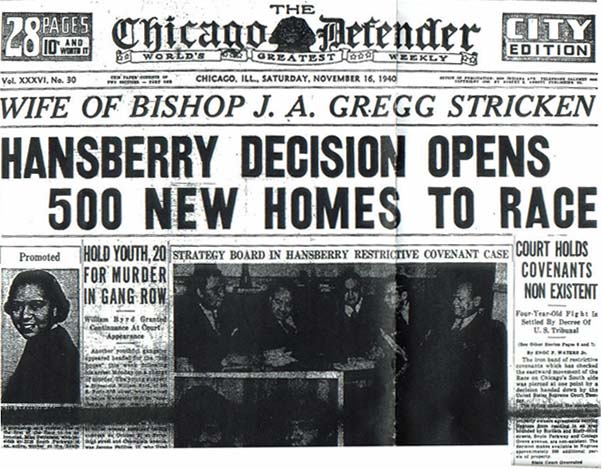
Comments
Post a Comment